

Infrastructure

The Infrastructure division delivers the products and services that create the built environments in which communities live, work and play – and the infrastructure that links them.

Infrastructure's businesses include:

  • Golden Bay Cement which supplies cement to New Zealand and the South Pacific.
  • Firth, New Zealand’s leading national concrete company, and Concrete Industries in Fiji.
  • Humes Pipeline Systems in New Zealand and Rocla Pipeline Products in Australia which supply infrastructure markets.
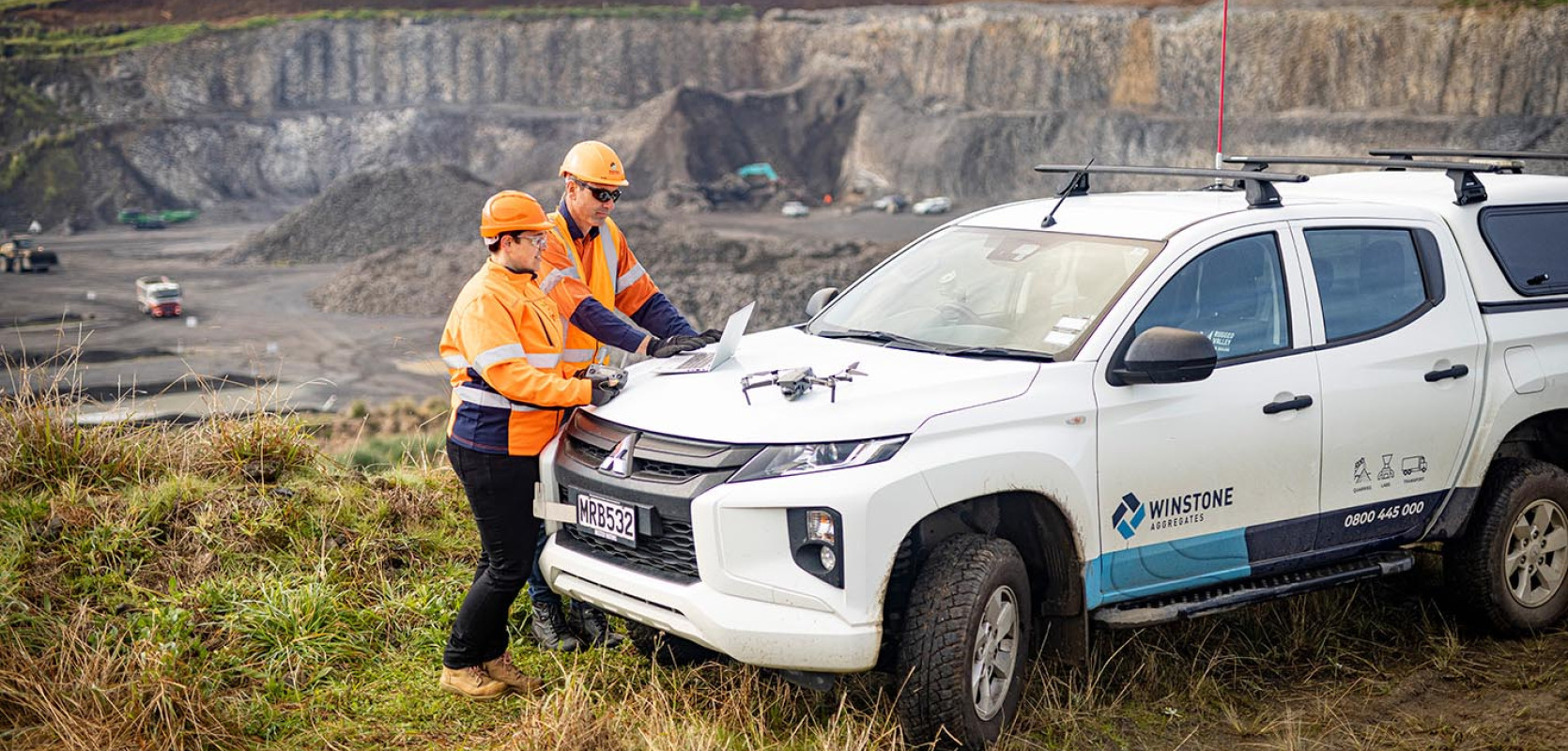
  • Winstone Aggregates which manufactures and distributes aggregates and sand in New Zealand, and Rocla Quarry Products which supplies sands to Australia’s building and construction industries.
  • Fletcher Construction, the pre-eminent general contractor in New Zealand and the South Pacific.
  • Fletcher Residential, New Zealand’s leading specialist residential home building group.

Performance overview

Sales for the year were up 11 percent. Lower concrete sales were offset by a significant increase in construction activity. Operating earnings, excluding unusual items, declined by $105 million to $203 million.

The New Zealand and Australian concrete businesses' earnings declined by $47 million to $142 million. Sales volumes of most products in New Zealand were significantly below last year as were concrete pipe sales volumes in Australia. Significant attention has been given to reducing costs in the face of substantial declines in volumes. Construction earnings increased from $39 million to $43 million with activity remaining strong for this business. The property and residential operations declined by $62 million to $18 million.

Operating earnings from the cement business were $23 million lower, primarily due to reduced sales volumes and substantially higher energy costs. In New Zealand, volumes were 14 percent lower. Export sales contributed to overhead recoveries but margins were low. While prices were four percent higher than the previous year, this was not sufficient to cover increased production and distribution costs.

Aggregates sales volumes were 17 percent lower. The business made significant progress in lowering its costs as the market deteriorated, but competitive pressure on prices and lower margins contributed a decline in overall earnings of 37 percent.

Readymix and masonry operating earnings were 46 percent lower. Sales volumes of concrete were 12 percent below last year. Masonry volumes were 21 percent lower than the previous year despite the acquisition of the Stevenson masonry business in March 2009. The significant decline in residential and commercial construction activity was partly mitigated by strong demand from infrastructure projects. Competitive pressures and the impact of lower volumes could not be fully mitigated by substantial cost reductions achieved during the year.

The concrete pipe market softened significantly in the second half of the year and precast concrete product sales did not continue the growth path seen in the first half, resulting in overall earnings being 32 percent below last year. Concrete pipe and precast product volumes declined by 13 percent in the year. Margins were lower due to mix, competitive pricing and slightly higher input costs.

In Australia, the pipeline and quarry businesses performed well with combined operating earnings of $64 million, compared with $59 million in 2008. The pipeline products business experienced a substantial weakening in pipe sales in the second half of the year, but benefited from strong demand for non-pipe products to achieve a record result. The quarry business recorded improved results in all states and benefited from the acquisition of a second quarry in Victoria.

Construction’s operating earnings were $43 million compared to $39 million in the previous year. Major contracts awarded included the Auckland Medical School ($150 million) and the University of Waikato Student Centre ($24 million). South Pacific operations performed well, particularly in Papua New Guinea. The record backlog of the previous year declined by $200 million to $1.1 billion at June 2009 as multi-year projects were progressively delivered and fewer major contracts were secured in the financial year. In early July 2009, however, Fletcher Construction, as part of a consortium, was named as the preferred contractor for the Victoria Park Tunnel contract in Auckland increasing the backlog to $1.4 billion.

Earnings from Fletcher Residential declined by $7 million to $11 million due to a drop in margins. Demand in Auckland improved in the latter part of the year from very sluggish levels and further housing starts are being accelerated. Property sales earned $7 million compared to $62 million last year. Earnings from property sales are not expected to be significant in 2010.

Back to topLooking ahead

During the year, the division focused on reducing costs in the face of declining volumes. The construction materials businesses in particular reduced staffing levels by 18 percent. Further cost savings and business improvement initiatives will be implemented in this year.

High-returning organic growth opportunities will continue to be explored.