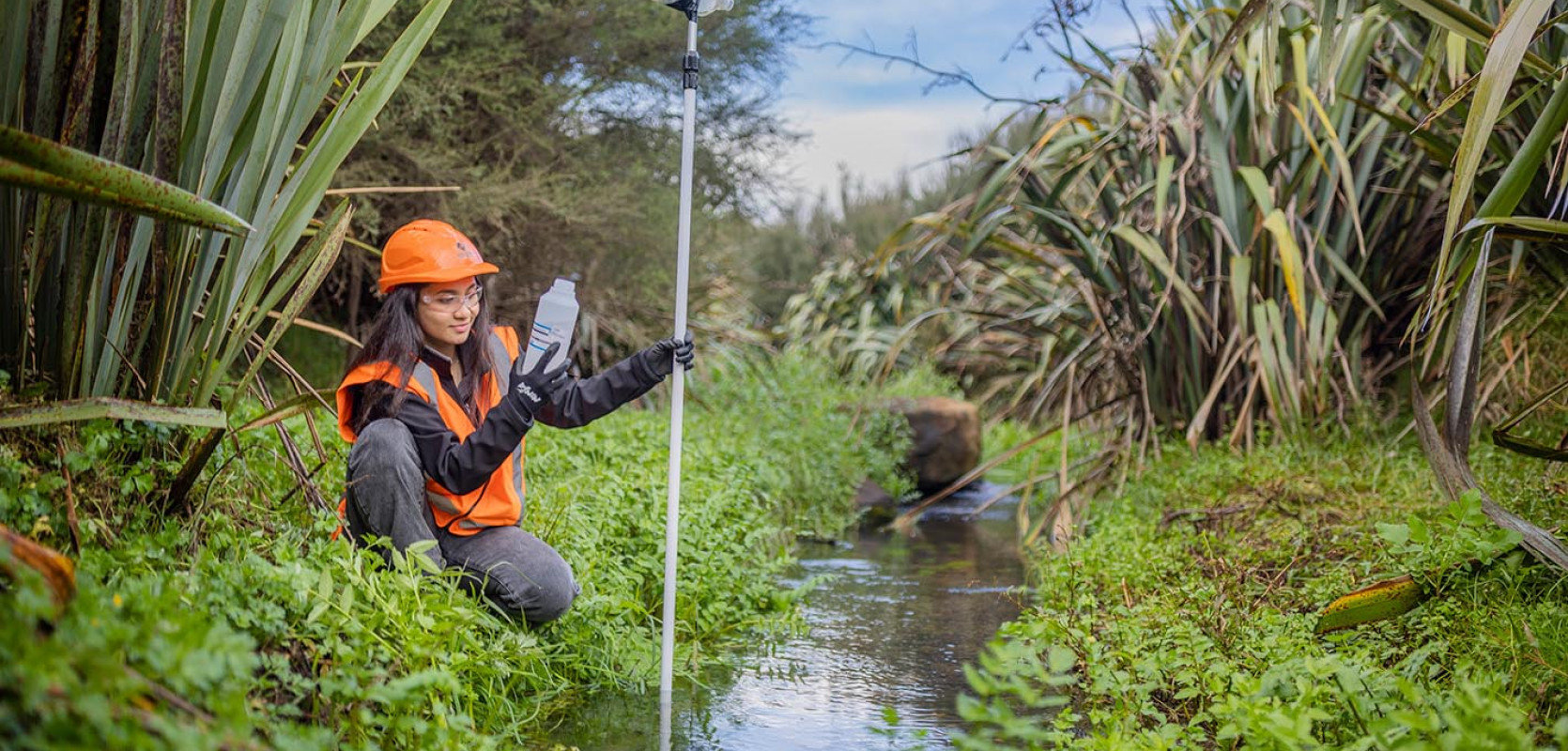
Health & Safety practitioner of the year
Jay Lauten, Fletcher Construction, Auckland
Over the last year significant progress has been made in reducing injury rates.
Our primary injury rate measure is the 12 month rolling average Total Recordable Injury Frequency Rate per million employee and contractor hours (TRIFR), with total injuries being the sum of lost-time and medical treatment injuries. In the last year, this rate has dropped from 14.09 to 10.57. In June 2006, this rate was over 60. Our lost time injury frequency rate has dropped from 5.04 to 4.11 (from over 10 in June 2006).
In addition to these measures, we have also introduced from 1 July an additional lead measure for near misses as a proactive step in identifying potential risks so that action can be taken before an injury occurs.
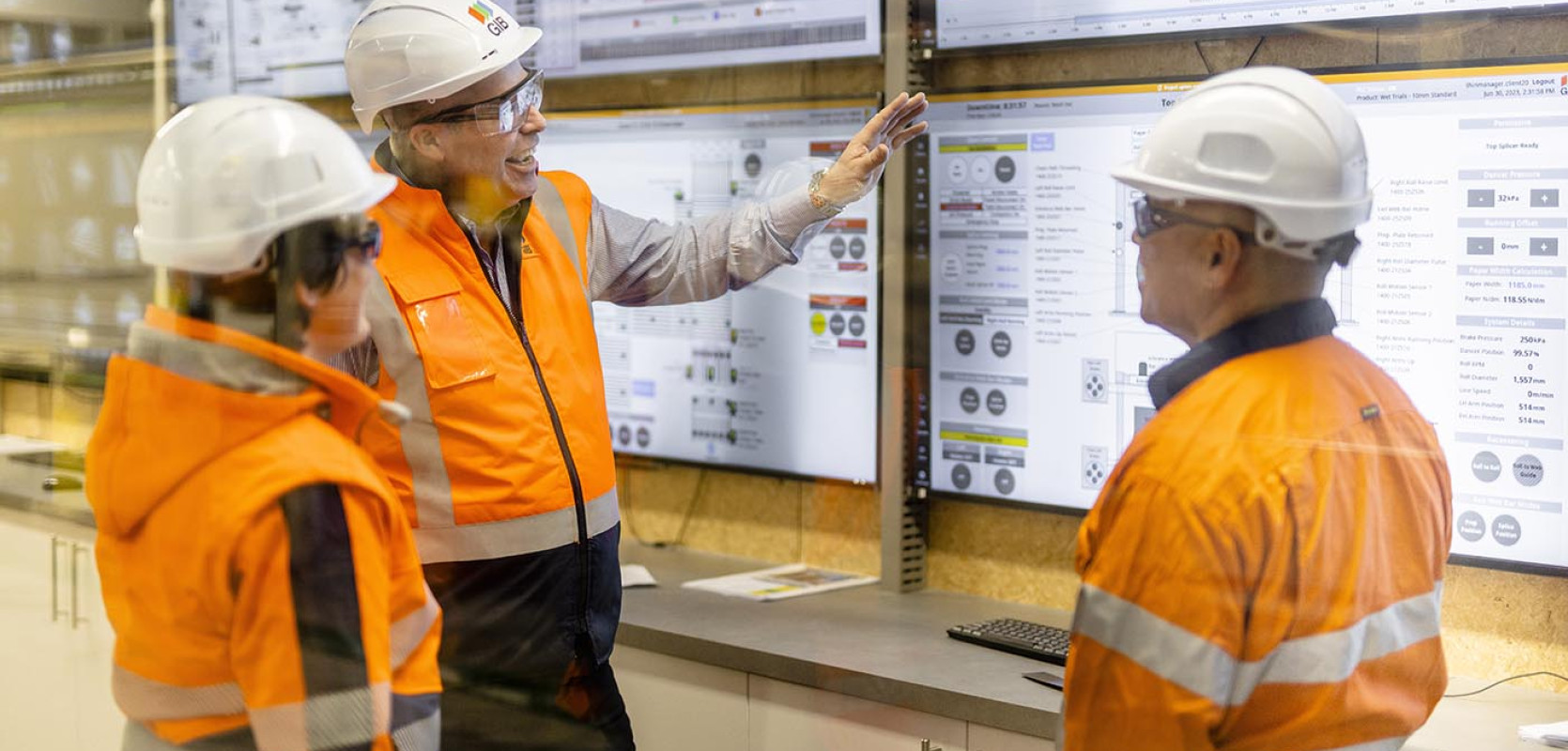
The improvements in health and safety performance are a result of focused effort by teams across the company. Fletcher Building's health and safety vision, policy and standards are established by an executive-led health and safety council chaired by the chief executive. Each year, the Council produces a safety plan which details priorities, requirements and programmes for the whole group. Performance targets are then cascaded down to divisions and business units.
Due to our decentralised structure, operational responsibility for health and safety is placed with each business unit. The maintenance of safe workplaces is not just an operation issue for our business units. The correlation between productivity and improved health and safety and the high human cost of injuries and fatalities, make health and safety a strategic issue. That means we seek to balance the strategic importance of safe work places with the benefits of operational control by business units.
To support divisional and business unit health and safety activities, high quality health and safety resources have been progressively developed by the company over recent years. These include tools to ensure that variability in basic safety standards is reduced, a common health and safety electronic reporting system, and a health and safety intranet site. Guidelines and resources have been produced to ensure that common hazards are managed in a more consistent manner.
An annual executive-led initiative reinforces our commitment to safety in the workplace. Pulse, a Fletcher Building health and safety conference held every two years, brought together over 150 senior managers from across the group in October. The conference acknowledged the recent improvements that have been made within the company in terms of health and safety, but also recognised the challenges still facing us before we achieve and sustain zero harm. Subsequently, all of our senior managers have attended training on human factors and the company is implementing other programmes to enhance our understanding of the role of human factors in managing hazards and understanding why incidents occur. We have also established a team of extensively trained specialist investigators who will participate in the investigations of all serious safety incidents.
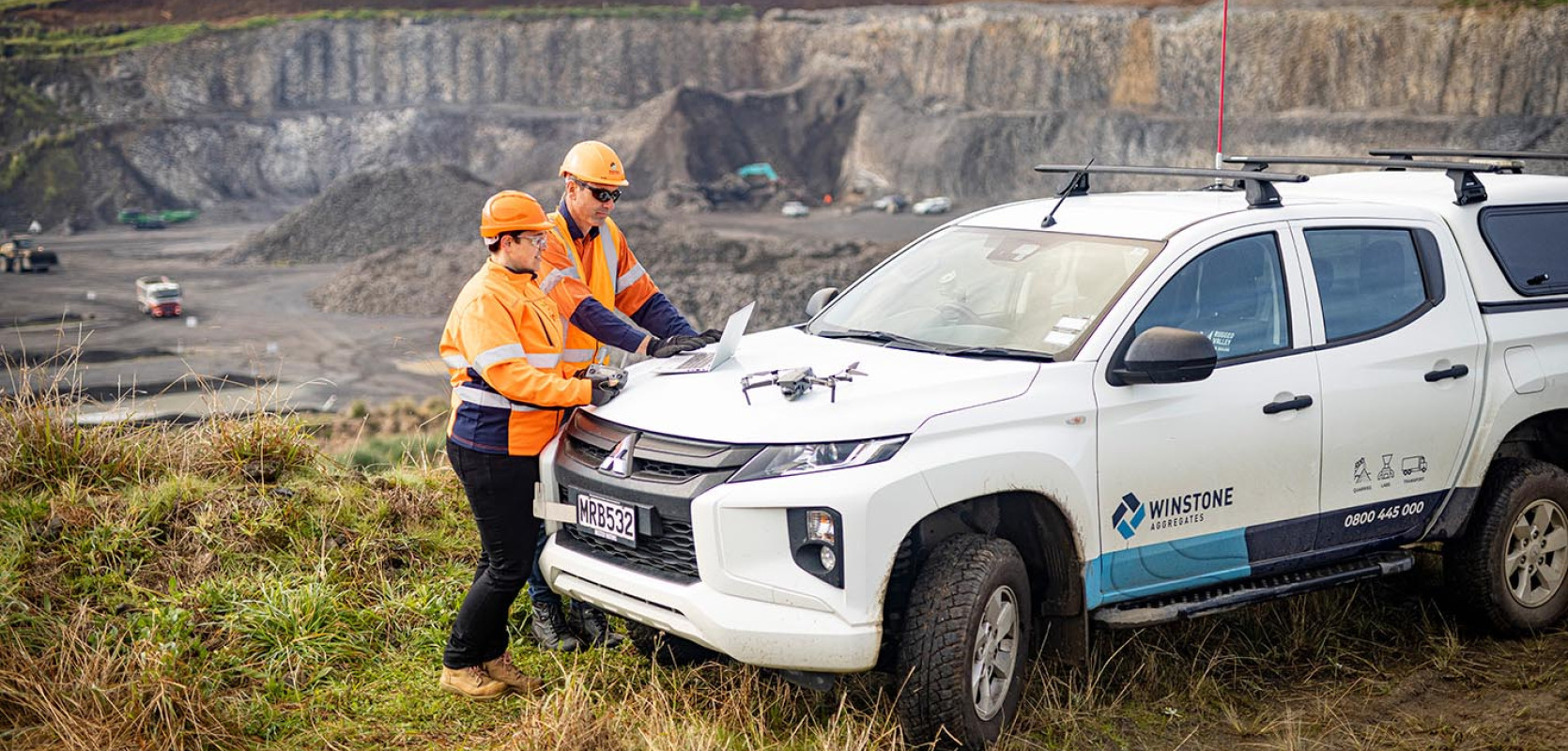
For the fourth year, the Fletcher Building Health, Safety and Sustainability Awards were held in recognition of health and safety achievements across the company. Submissions were received across all divisions from business units around the world. In addition to the Awards' seven categories, a special award for Sustained Excellence was awarded to Winstone Aggregates for demonstrating a 41 percent reduction in all injuries and for being a consistent top performing business unit, despite the challenges associated with working in the quarrying industry.
Our business units have also been acknowledged with external awards. Fletcher Construction employee Jay Lauten, Health and Safety Manager for the Manukau Harbour Crossing Project, was named Health and Safety Practitioner of the Year at the Safeguard New Zealand Workplace Health and Safety Awards. The award recognised the strong relationships that he had built with contractors and staff at all levels. On the same evening, Fletcher Construction's Victoria Park Tunnel team won the award for the Best Initiative to Encourage Engagement in Health and Safety. Using workshops and a psychologist, the team was able to find the best way to engage project staff and developed powerful on-site graphics featuring staff that had been injured and the consequences for them and their family.
Despite our progress, however, serious injuries still occur and we are far from satisfied with this level of performance. Tragically, an employee of Fletcher Construction died in Albany, Auckland after the building he was in was struck by a tornado in May.
Our health and safety vision of zero harm is based on the principle that all accidents are preventable and we understand that further reductions in total injuries must occur to reduce the risk of serious injuries and fatalities. The participation of senior management in our programmes, and the investment of significant resources in safety education and training, continues to demonstrate the company's strong commitment to health and safety.
In New Zealand, Fletcher Building retained primary-level membership of the Accident Compensation Corporation Partnership Programme following an external audit in November. Australian manufacturing sites are subject to differing injury management requirements, based on state regulation and the range of schemes available. Self-insurance is usually the preferred option and additional operations are moving into self-insurance schemes.